
Health
Development of artificial skin from mushrooms that looks like real leather
Scientists have developed a real leather alternative from mycelium that looks and feels like real leather.
Browse ScienceInfo articles and explainers related to Artificial Skin.
20 published items.
Scientists have developed a real leather alternative from mycelium that looks and feels like real leather.
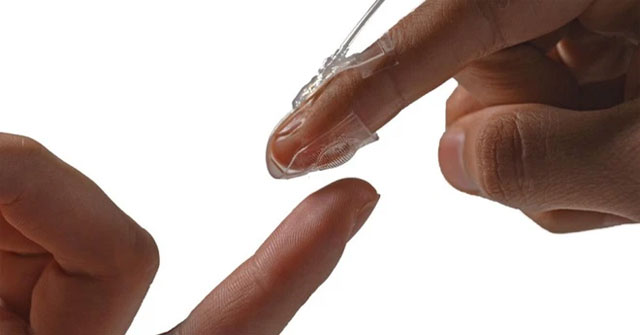
The new revolution is coming and its success will tell only time.
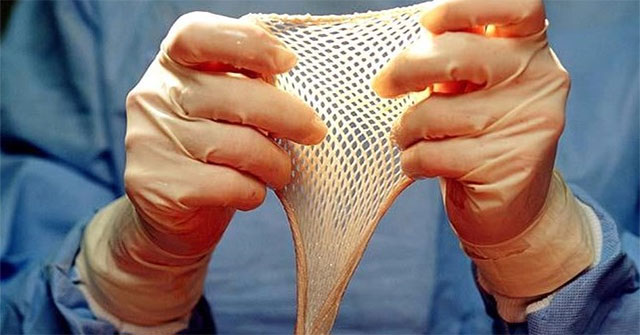
After the 2014 achievements of Korean scientists, Swiss researchers have now continued to develop artificial skin to a new level.
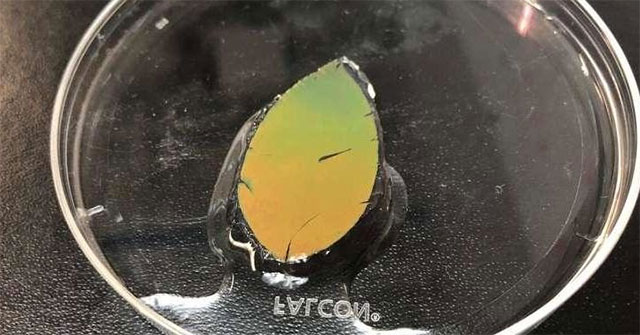
Scientists have successfully created a smart skin that is capable of changing color with temperature and light.
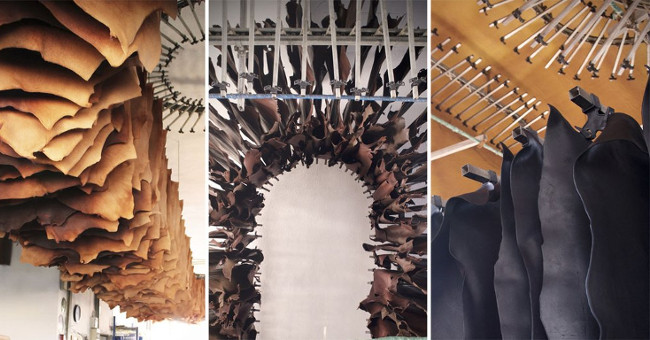
The use of animal skin as a material in apparel has been around since ancient times.
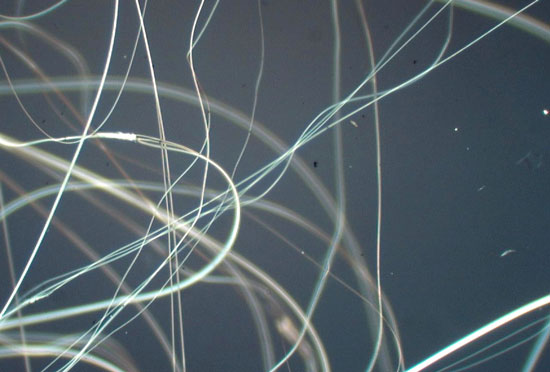
German scientists claim they have completed the first steps in the effort to turn spider silk into artificial skin.
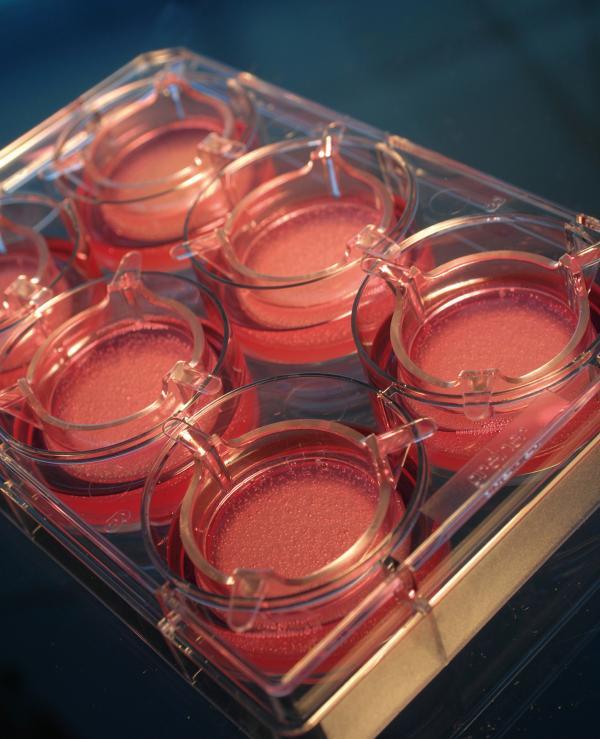
The skin produced in the factory has long been a dream for pharmacists, chemists, and doctors. The research work set out the urgent need for a large amount of skin sampl…
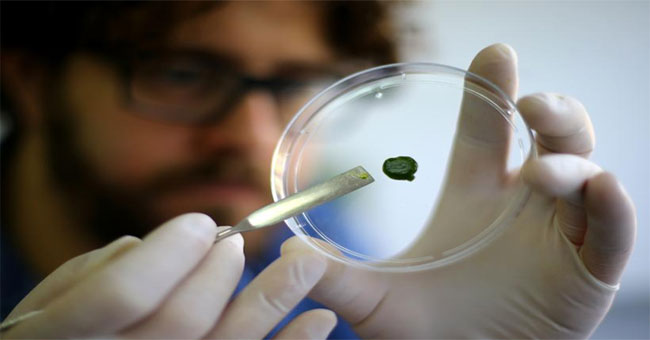
New skin types from microalgae, often found in rivers, streams, and lakes, can photosynthesize and produce oxygen, thereby regenerating damaged skin areas.
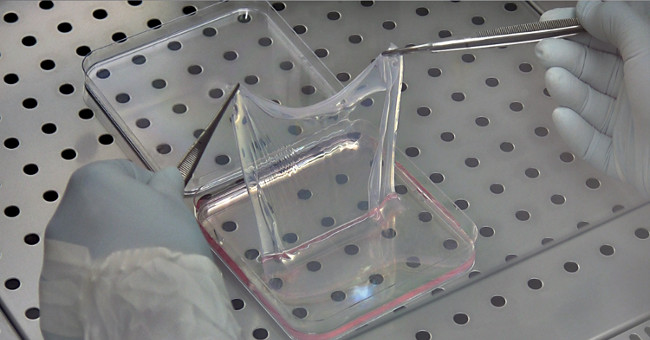
Like a tree planted, scientists have raised very small pieces of human skin, growing up to cover the body of a 9-year-old boy who lost 80% of skin.
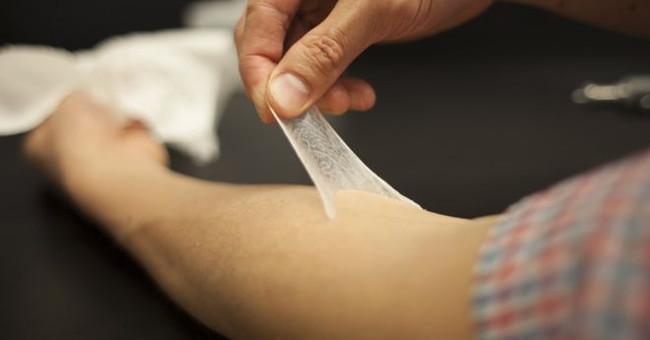
Young people who are not old are the dreams of most people. Scientists are taking a step closer to this goal after finding a way to remove wrinkles, tighten skin and mak…
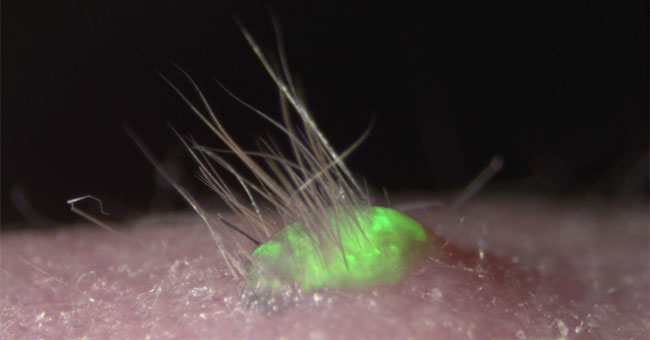
Japanese scientists successfully cultivate skin tissue in the laboratory with all the characteristics from hair follicles to sweat glands, bringing the prospect of skin…
Korean and American experts introduced an artificial skin outside the prosthetic hand, which can help people with disabilities to feel their surroundings or handshakes f…
British and American scientists have successfully created a piece of epidermis - the outermost layer of skin, from stem cells in the laboratory.
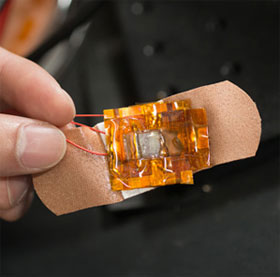
For a long time, touch has always played an important role in developing robots as well as improving the quality of fake limbs used for people with disabilities.
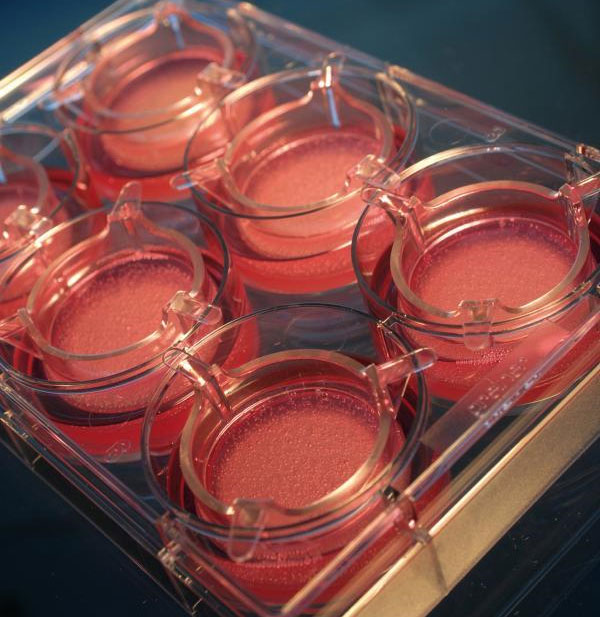
Since November, the Biomateria